About
Tulip Time welcomes the world into our community by celebrating tulips, Dutch heritage, and Holland today.
Festival History
The Tulip Time Festival began in 1929, inspired by a civic beautification idea proposed in 1927 by Lida Rogers, a biology teacher at Holland High School. She suggested adopting the tulip as the city’s flower to honor Holland’s Dutch heritage. The city council responded by purchasing 100,000 tulip bulbs from the Netherlands in 1928, planting them throughout the city. When the tulips bloomed in 1929, Holland invited visitors to celebrate, marking the birth of Tulip Time.
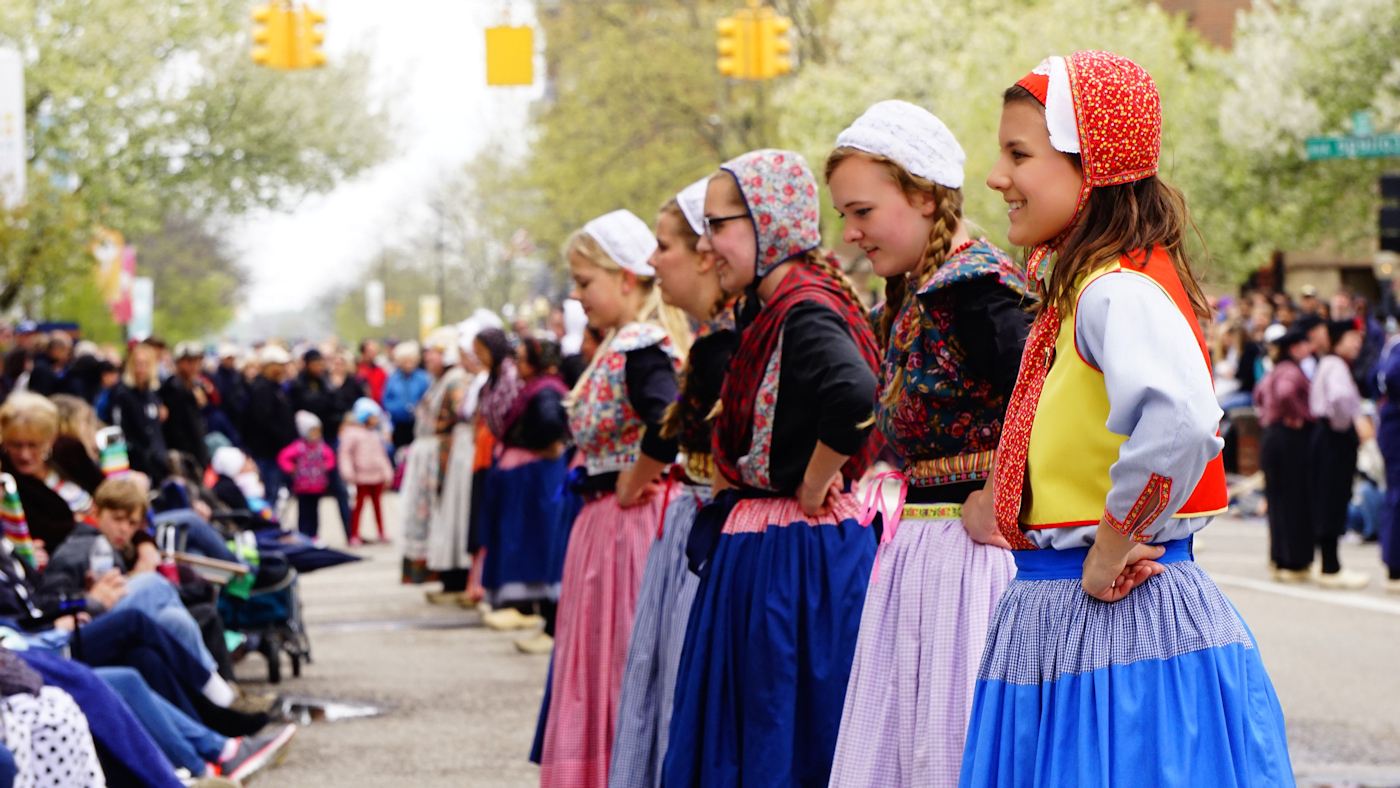
Over the decades, the festival grew in scope and popularity. Dutch traditions such as Klompen dancing, street scrubbing, and authentic costumes became central features. Despite interruptions during World War II, the festival resumed in 1946 and has since evolved into a nationally recognized event, drawing hundreds of thousands of visitors annually.
Click here to learn more about Tulip Time Festival history.
Tulip Time Today
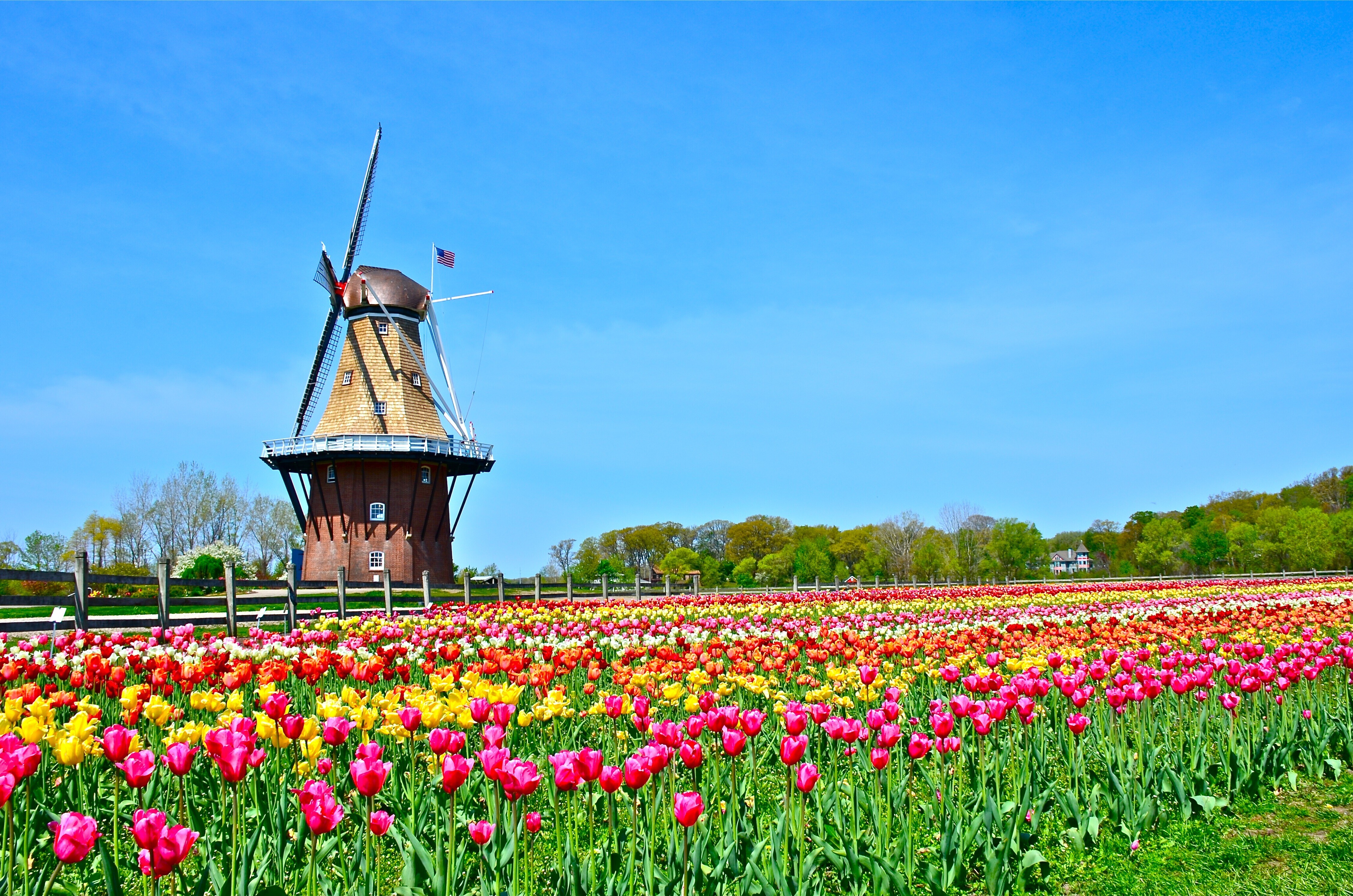
Celebrating its 96th year, Tulip Time transforms Holland, Michigan into a breathtaking springtime destination each May. Over the course of 10 days, the city comes alive with the vibrant colors of more than 5 million tulips blooming across parks, gardens, and city streets.
The festival offers a rich blend of tradition, entertainment, and community spirit:
- Parades: The beloved Kinderparade and Volksparade showcase local pride with Dutch costumes, marching bands, and festive floats.
- Dutch Dancing: More than 1,400 dancers perform in authentic Dutch attire, bringing heritage to life with rhythmic precision.
- Tulip Immersion Garden: Designed by renowned Dutch horticulturist Ibo Gülsen, this immersive floral exhibit offers a stunning visual experience.
- Live Entertainment: From nationally recognized acts to tribute bands and local performers, the lineup offers something for everyone.
- Cultural Exhibits: Artisan markets, quilt shows, and historical tours provide a deeper connection to Holland’s Dutch roots and creative community.
- Family Fun: A lively carnival, dazzling fireworks, and interactive activities ensure joy for visitors of all ages.
Tulip Time continues to honor tradition while embracing innovation, making it one of America’s most cherished spring festivals.
Awards and Recognitions
Tulip Time has received numerous prestigious accolades over the years, celebrating its excellence in cultural heritage, tourism, and event planning.
International & National Honors
- Top 20 Events in the World – International Festival and Events Association
- Top 100 Event in North America – American Bus Association (23-time honoree)
- Award of Excellence – Premier Tourism Magazine
- America’s Best Small Town Festival – Reader’s Digest
- World Destination Worth Traveling For – 2019
Tulip-Specific Awards
- World Top 5 Tulip Festivals Worth Traveling For – World Tulip Summit Society (2015)
- USA Today Best Flower Festival – 2016
- Tulip Festival of the Year – World Tulip Summit Society (2017)
- Flower Festival of the Year – International Garden Tourism Network (2023)
- World Tulip Lifetime Achievement Award – World Tulip Summit (2024)
Media Recognition
- USA Today’s 10Best Readers’ Choice Awards – #5 Best Flower Festival in America (2025)
- Fodor’s Travel – Featured in “America’s Best Spring Flower Festivals”
These accolades affirm Tulip Time’s status as a premier destination for springtime celebration, where Dutch heritage, artistic expression, and natural beauty come together in unforgettable ways.
Meet Our Team
The Tulip Time staff works year-round to bring the festival to life with creativity, care, and community spirit.
The Board is made up of community leaders and volunteers working with the Tulip Time staff through direction and oversight to create a dynamic celebration of tulips, Dutch heritage and community.
The Tulip Time Ambassador Team supports the festival through volunteer efforts, helping build connections and strengthen the organization.
Cultural Data Project:
Media:
Media Resources
Keep up with current press releases and find digital or print-ready photos, graphics & logos.
The organization that manages the Festival, Tulip Time Festival, Inc., operates as a 501(c)(3) non-profit, charitable organization.